
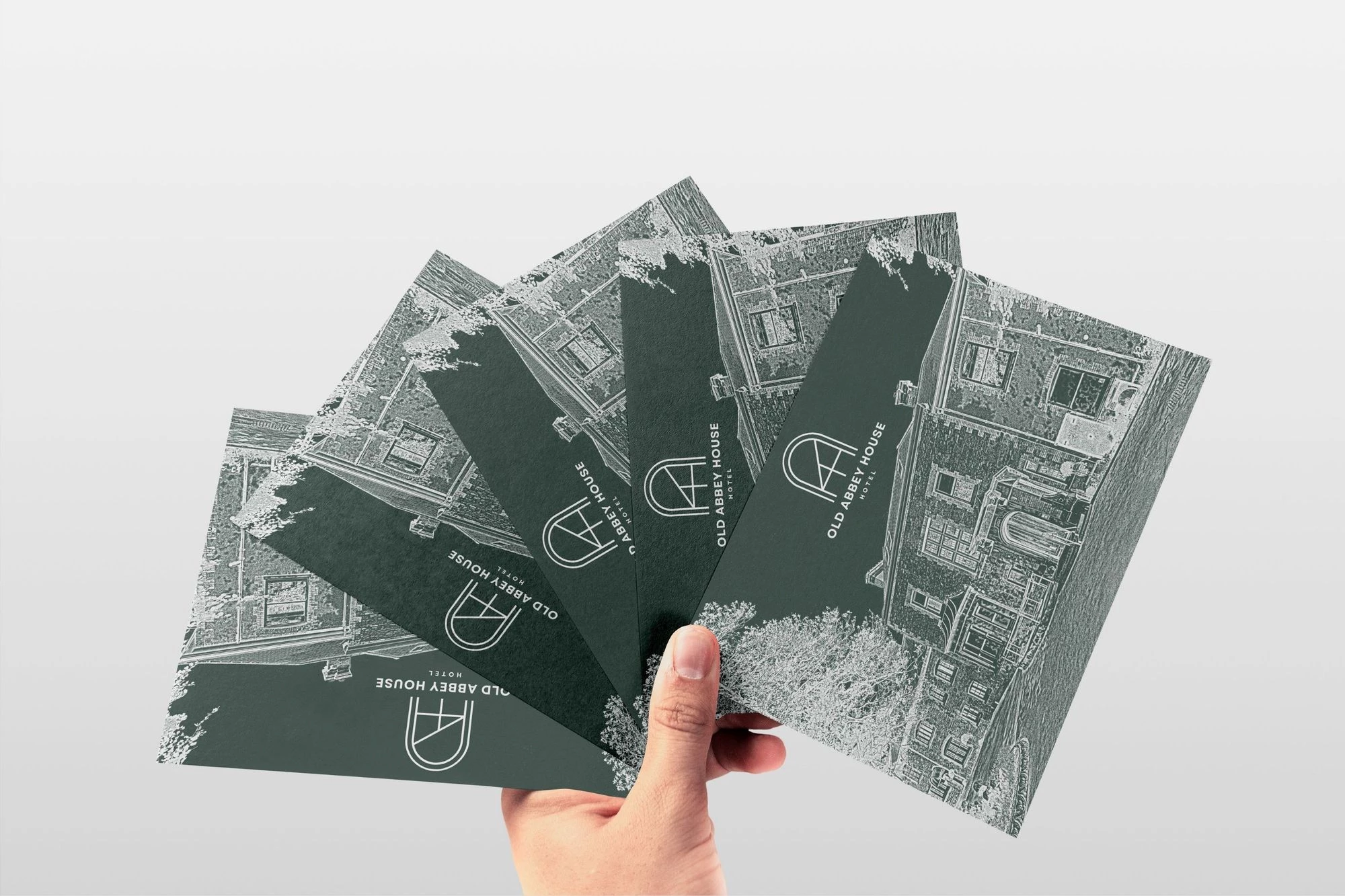
.webp)

.svg)
Corporate Video Types for Business Owners: One Shoot, Many Channels

Brand films build awareness, explainers and product demos support consideration, testimonials and case studies drive decisions, and training or onboarding videos keep teams aligned internally. Think with Google frames this as a full-funnel approach, while Wistia and IAB UK both point to video spend shifting toward formats that work across multiple channels. Below, we break down each type by objective, length and platform fit.
TL;DR:
- Businesses with little brand recognition should start with awareness videos, while those with traffic but weak conversion should prioritize demos and testimonials.
- Wistia reports that engagement peaks for videos under one minute, but brand films often run 60 to 120 seconds and training can run longer.
- Social clips and testimonials usually cost less than scripted brand films, while a testimonial may take a few weeks and a brand film longer.
- Use broad reach video for awareness, demos or webinars for consideration, and testimonials for decision stage; measure brand lift separately from conversion lift.
Table of Contents
- The main corporate video types and when to use them
- How to choose which video types to produce first
- Durations and aspect ratios that match each channel
- Using video across the funnel and measuring what works
- How an integrated team approaches video commissioning
- Ready to commission your next corporate video?
- FAQ
- Sources
The main corporate video types and when to use them
Each format below serves a distinct purpose. Match the type to your objective first, then worry about polish.
- Brand or hero film: builds emotional connection and awareness; typically 60 to 120 seconds; works on a homepage, YouTube and paid social; use it to launch a rebrand or anchor a campaign.
- Company or about us video: introduces who you are and what you stand for; keep it concise; sits on your website and LinkedIn company page; useful when prospects are researching you before a first call.
- Product demo or explainer: shows how your product solves a specific problem; keep it focused on the problem and solution; works on product pages, in sales decks and on YouTube; ideal when a feature is hard to describe in text alone.
- Service video: explains a service offering in practical terms; keep it focused on the key details; fits service pages and email nurture sequences; useful for agencies and consultancies selling intangible work.
- Testimonial or case study: a client or customer explains results in their own words; keep it focused on the most relevant results; works well on landing pages and in sales follow-ups; strongest when a prospect is close to deciding.
- Recruitment or culture video: shows what it is like to work at your company; keep it concise; sits on careers pages and LinkedIn; helps attract candidates who already share your values before they apply.
- Onboarding or training video: walks new starters or customers through a process; often 3 to 10 minutes, sometimes longer for technical modules; hosted internally or on a learning platform; reduces repeated manual explanation.
- Internal comms video: shares updates, leadership messages or policy changes; keep it focused on the key information; distributed by e-mail or intranet; useful when a message needs tone and nuance that text cannot carry.
- Event highlights: captures the energy of a conference, launch or trade show; keep it concise; shared on social media and in post-event follow-ups; extends the value of a one-off event.
- Social shorts or reels: short, platform-native clips designed to stop the scroll; under 60 seconds; built for Instagram Reels, TikTok and YouTube Shorts; best for top-of-funnel reach and brand recall.
- Advert, paid social and CTV spot: a commercial cut specifically for paid placement; adapt the length to the platform; runs across paid social, programmatic display and connected TV; IAB UK notes that video spend has grown strongly within this space, with TV+ and social video as key drivers.
- Webinar or live stream: real-time or recorded sessions covering a topic in depth; allow enough time to explore the topic; hosted on LinkedIn Live, YouTube or a dedicated webinar platform; strong for lead generation and thought leadership.
- How-to or educational video: answers a specific customer question step by step; keep it focused on the steps needed to answer the question; lives on YouTube and support pages; reduces support tickets while building search visibility.
Most businesses do not need every type at once. Pick two or three that match your current priority and build from there.
How to choose which video types to produce first
Choosing the right starting point comes down to three questions: where your prospects currently get stuck, what budget you have this quarter, and how quickly you need results. A business with no brand recognition should prioritise awareness formats; one with plenty of traffic but weak conversion should look at testimonials and demos instead.
- Map each candidate video to a funnel stage: awareness, consideration, decision or internal alignment, and pick the stage causing you the most friction right now.
- Check your budget against production complexity: social shorts and testimonials cost less to produce than a scripted brand film with actors and locations.
- Set a realistic timeline: a single testimonial can be filmed and edited within a few weeks, while a brand film with concept development often needs more time.
- Separate quick wins from strategic investments: quick wins (short social clips, simple how-to videos) build momentum, while strategic investments (brand films, training libraries) pay off over a longer period.
- Write a brief that answers five questions: who is this for, what should they do after watching, where will it be shown, how long should it run, and what counts as success.
Pro Tip: Write your brief around the viewer’s next action, not the video’s content; a clear call to action at the brief stage makes editing decisions far easier later.
Durations and aspect ratios that match each channel
Getting the length and shape right matters as much as the content itself. Wistia’s research shows engagement is highest for videos under one minute, though the right length always depends on intent: a homepage brand film often runs 60 to 120 seconds, a training module can run far longer, and social clips perform best when kept under 60 seconds.
- Short videos: ideal for social shorts, ads and teaser cuts; use a vertical format for mobile-first platforms like Instagram Reels and TikTok.
- 1 to 3 minutes: suits brand films, explainers and testimonials; horizontal 16:9 works for YouTube and websites, while a square 1:1 version helps on LinkedIn feeds.
- 3 to 5 minutes: fits service videos, internal comms and deeper product walkthroughs; horizontal format remains standard here.
- Long-form training content: can run longer and is best hosted internally rather than on public social feeds.
- Versioning tip: shoot once, then create a short teaser, a mid-funnel version and a full-length original so one production serves several placements.
Using video across the funnel and measuring what works
Pairing formats by funnel stage gets more value from the same production budget. Think with Google reports that a full-funnel strategy, combining broad-reach brand formats with action-focused campaigns, can raise conversions and deliver incremental reach when the assets are versioned and measured properly.
- Awareness: brand films, event highlights and social shorts, distributed through organic social and broad-reach paid video.
- Consideration: explainers, demos and webinars, supported by retargeting and owned-channel placement.
- Decision: testimonials and case studies, placed on landing pages and in direct follow-up sequences.
- Measurement: track brand lift and conversion lift separately, and treat incrementality testing and marketing-mix modelling as complementary checks rather than a single source of truth.
- Channel planning: budget for social reach, consider connected TV for broader awareness pushes, and reserve paid retargeting budget for consideration and decision-stage assets.
How an integrated team approaches video commissioning
When strategy, production and distribution sit with one team, a video brief stays connected to the business goal from the first conversation through to reporting. That avoids the common gap where a beautifully shot film never gets the media spend or channel plan it needs to actually reach anyone.
A typical project runs from brief to first draft within a timeframe that depends on the format, with brand films and training libraries taking longer due to scripting and location logistics. Smart versioning, cutting short, mid-length and full-length edits from one shoot, keeps a single production budget working across several channels rather than funding separate shoots for each one.
— Hook
Ready to commission your next corporate video?
We handle the whole process under one roof: filming and editing your video. That means no juggling a separate agency for scripting, another for filming and a third for social placement, just one point of contact who already understands your brand.
- Our video production service covers video production.
- For visual-heavy product or architectural work, we also work alongside specialists like Visual Trick for CGI and 3D rendering where a physical shoot is not practical.
- Our photography and video team can provide photography and video.
- If you need the wider picture, our full service marketing offering brings together marketing services.
Get in touch for an initial consultation or send over a sample brief and we will tell you which format makes the most sense for your goal and timeline.
FAQ
What is the definition of a corporate video?
A corporate video is any video produced on behalf of a business to support a marketing, sales, recruitment or internal communication goal. It ranges from a short social clip to a full brand film, and the format depends entirely on the objective behind it.
How much does a 2 minute video cost?
Cost depends heavily on production complexity: a simple testimonial or interview-style piece costs far less than a scripted brand film with actors, multiple locations and animation. Request a quote based on your specific brief, since no single figure applies across every production type.
What are the different types of promotional videos?
Promotional videos typically include brand or hero films, product demos, social ads, event highlights and testimonials, each suited to a different stage of the buying journey. Awareness-stage formats favour short, broad-reach clips, while decision-stage formats lean on testimonials and case studies.
What are the main categories corporate video falls into?
Corporate video generally splits into external formats (brand films, explainers, testimonials, ads) and internal formats (training, onboarding, internal comms). Choosing between them depends on whether the goal is sales, brand perception or internal alignment.
Sources
- Full funnel-marketing approach to video ads - Think with Google
- Wistia’s 2025 State of Video Report Shows Use of AI in Video Production More than Doubled Over Last Year
- Digital Adspend 2025: UK’s digital ad market reaches £40.5bn | IAB UK
.png)


