
.webp)

.svg)
Marketing Trends to Watch in February 2026
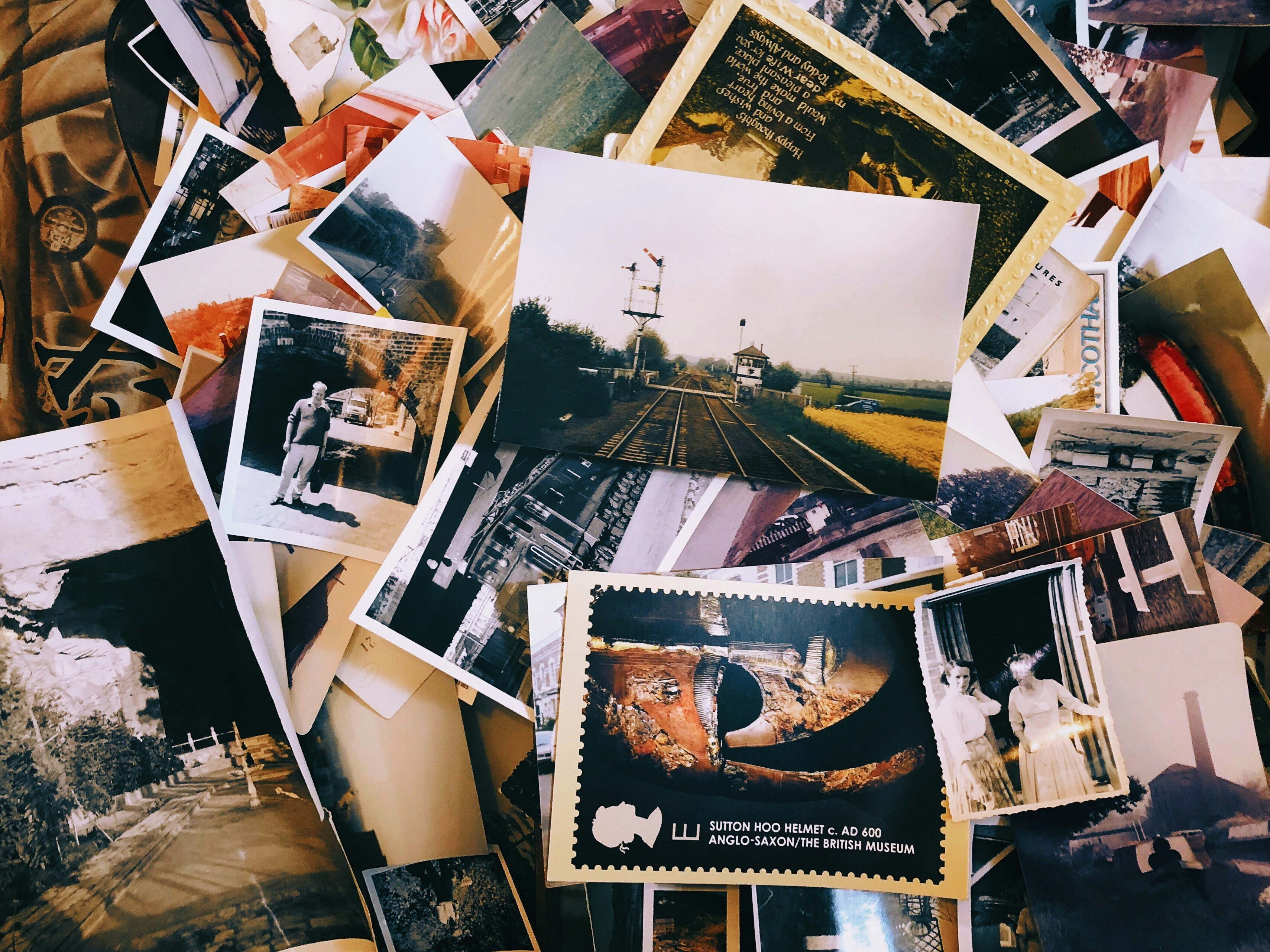
If you’ve logged onto any social feed so far this year, you couldn’t have missed it: “2026 is the new 2016.” Suddenly it feels as if the internet collectively pressed rewind, from glossy filters and maxi skirts to throwback playlists and retro meme formats, everyone’s clipping highlights from a decade ago and remixing them for today’s audiences. It’s a very real cultural moment with implications for how brands think about nostalgia, community and authenticity online.
But beyond nostalgia loops and #BringBack2016 flashbacks, there are some deeper, strategic shifts marketers should be paying attention to right now. Here’s what we’re seeing as we step into February 2026:
1. Nostalgia as a Marketing Lever, Not Just Aesthetics
The “2026 is the new 2016” trend isn’t just about throwback selfies, it’s a narrative anchor that reflects broader emotional and cultural behaviour. When audiences feel uncertain, they gravitate toward familiar cultural touchpoints. Brands that lean into this thoughtfully, through campaigns that nod to earlier internet styles, meme culture, or even decade-specific music and visuals, can tap into collective memory for engagement and shareability.
Hook's Advice: Think about nostalgia with purpose. Historic brand milestones, decade-inspired product highlights and curated playlists can be powerful hooks, but only if tied back to your brand’s voice and audience needs.
2. AI Is Not The Future, It’s Already Here
Across the board, artificial intelligence isn’t up and coming, it’s already embedded in strategy and execution:
- AI is reshaping search visibility, prioritising structured, authoritative content over generic SEO. It’s no longer enough to optimise for keywords, brands must optimise for answers.
- Marketers need new competencies in machine learning, generative content and automation to stay competitive.
- Tools that automate reporting, lead generation, segmentation and optimisation are replacing manual tasks, freeing teams to focus on strategy.
3. Video Still Dominates, But With a Twist
Short-form video platforms like TikTok, Instagram Reels and YouTube Shorts continue to drive engagement, and the formats are evolving, not slowing down.
But what’s new in 2026:
- Brands are experimenting with social series (“micro-dramas”) that unfold episodically.
- Platforms themselves are introducing creative AI tools that blur the line between user-generated and brand content.
- Authentic, unpolished video beats highly produced content more often than not.
4. “Community First” Is More Than a Buzzword
One theme keeps popping up: audiences want participation, not passive advertising. Young consumers don’t just want to watch, they want to co-create, remix, react and add their voice to the conversation.
Engagement isn’t just about likes anymore; it’s about identity and belonging.
Hook's Advice: Foster creator participation and co-creation, especially on platforms where audiences feel empowered to remix and personalise content.
What This Means for Your Strategy
If there’s one thing that defines marketing in early 2026, it’s complexity at pace. Audiences are fragmented across platforms, AI is rewriting discovery and cultural attention spans are shorter than ever, yet behaviours around nostalgia, community and authenticity are deeper than they were a year ago.
If you’re still working out your 2026 strategy, Hook can help finalise the finer details, or work alongside you brainstorming and building an end-to-end marketing strategy. Contact us today to get started.
.png)


