
.webp)

.svg)
Types of digital marketing channels: 2026 guide
Digital marketing channels are the platforms and tactics businesses use to reach, engage, and convert audiences online. The most successful businesses operate across 5–7 channels simultaneously, with SEO, social media, and email consistently driving the highest engagement. Using that range of channels yields 3.2x higher engagement than relying on just one or two. If you are an entrepreneur or marketing manager trying to cut through the noise, understanding which channels exist and how they work together is the foundation of any effective promotional strategy.
1. What are the main types of digital marketing channels?
The industry groups online marketing platforms into several well-established categories. Each serves a distinct purpose, and the best results come from combining them deliberately.
- Search engine optimisation (SEO). SEO is the practice of improving your website’s visibility in unpaid search results on Google and Bing. It covers technical site health, on-page content, and link building. For most businesses, organic search delivers the most cost-efficient traffic over time. Pro Tip: Focus on long-tail keyword phrases first. They have lower competition and attract visitors who already know what they want.
- Pay-per-click advertising (PPC). PPC places your ads at the top of search results and you pay only when someone clicks. Google Ads is the dominant platform. The benefits of PPC include immediate visibility and precise audience targeting, making it ideal for product launches or time-sensitive promotions.
- Social media marketing. Platforms such as Instagram, LinkedIn, Facebook, and TikTok let you build brand awareness, run paid campaigns, and engage directly with your audience. Using social media for marketing works best when your content matches the format and culture of each platform.
- Email marketing. Email is a direct line to people who have already shown interest in your business. It remains one of the highest-ROI marketing channels available, particularly when triggered sequences are used for onboarding, re-engagement, and post-purchase follow-up.
- Content marketing. Blog posts, guides, case studies, and whitepapers attract organic traffic and build authority. Content marketing works slowly but compounds over time, making it a strong foundation for B2B businesses.
- Video marketing. YouTube, Instagram Reels, and short-form video on TikTok are now central to how audiences consume information. Video builds trust faster than text alone and performs well in both organic and paid contexts.
- Influencer marketing. Brands partner with creators who have established audiences. Micro-influencers (those with 10,000–100,000 followers) often deliver better engagement rates than larger accounts because their audiences are more focused.
- Affiliate marketing. Affiliates promote your product in exchange for a commission on sales they generate. This is a performance-based model, meaning you pay only for results.
- Display and native advertising. Display ads appear as banners across websites in the Google Display Network. Native advertising blends into editorial content, making it less intrusive and often more effective at holding attention.
- Mobile marketing and SMS. SMS campaigns and in-app advertising reach audiences directly on their phones. Conversational SMS, where brands send personalised messages based on user behaviour, is growing quickly as an engagement tool.
2. How do paid, owned, and earned channels differ?
Every digital marketing strategy sits within a framework of three media types: paid, owned, and earned. Understanding the difference shapes how you allocate budget and effort.
-
Paid media covers any channel where you pay for placement. PPC advertising, paid social campaigns, display advertising, and sponsored content all fall here. Paid media delivers speed. You can reach a targeted audience within hours of launching a campaign. The trade-off is that traffic stops the moment your budget runs out.
-
Owned media is everything you control directly. Your website, email list, blog, and app are owned assets. Owned channels like email lists provide long-term, direct access to your audience and generate sustainable ROI that rented platforms cannot match. Social media followers, by contrast, are not truly owned. Algorithm changes can cut your reach overnight.
-
Earned media is coverage and attention you receive without paying for it. Social shares, press mentions, customer reviews, and word-of-mouth referrals are all earned. Earned media is the hardest to generate but carries the most credibility because it comes from third parties.
The strongest strategies blend all three. Paid media accelerates awareness. Owned media converts and retains. Earned media validates and amplifies. A business that relies solely on paid channels is always one budget cut away from losing its audience. One that builds owned channels alongside paid activity creates a far more resilient position. Omnichannel integration across all three media types is what separates businesses that grow steadily from those that plateau.
3. How to select and combine channels effectively
Choosing the right channels is not about being everywhere. It is about being in the right places with enough focus to do them well.
Start with two or three channels that align directly with your business goals and where your audience already spends time. A B2B professional services firm will find LinkedIn and email far more productive than TikTok. An e-commerce brand selling to consumers under 35 will see stronger returns from Instagram and Google Shopping than from LinkedIn. B2B SaaS companies in early growth stages often find paid search too costly, with Google Ads customer acquisition costs reaching £600 or more, making content marketing and organic SEO the more efficient route.
The SES framework groups digital marketing into Search, Email, and Social. It is a practical starting point because it covers the three channels that most audiences use daily. Once you have those three working, you can layer in video, affiliates, or display advertising.

Pro Tip: Apply the 3-3-3 rule: three core messages, three primary channels, three measurable outcomes. This prevents channel sprawl and keeps your team focused on execution rather than constantly chasing new platforms.
Avoid the trap of maintaining a weak presence on eight channels. Thin activity across too many platforms dilutes your message and wastes budget. Startups and small teams consistently perform better by mastering one channel aligned with their audience before expanding. Measure results quarterly and adjust your channel mix based on what the data tells you, not what is trending on marketing blogs.
4. Emerging and specialist channels to watch
The core channels are well established, but several newer tactics are reshaping how businesses reach audiences. Staying aware of them helps you spot opportunities before they become crowded.
- Marketing automation and CRM integration. Connecting your email platform to your CRM lets you trigger messages based on real customer behaviour. A prospect who downloads a guide but does not book a call can receive a targeted follow-up automatically. This is lifecycle marketing at its most practical.
- Podcast marketing and audio content. Branded podcasts and sponsorships on established shows are growing as a channel for reaching professional audiences. Audio content is consumed during commutes and exercise, meaning your message reaches people when they are not looking at a screen.
- Conversion rate optimisation (CRO). CRO is not a standalone channel but a discipline that makes every other channel more effective. Improving your landing page from a 2% to a 4% conversion rate doubles the return from your existing traffic without spending more on acquisition.
- Native advertising and sponsored content. Native ads match the look and feel of the editorial content around them. They perform better than standard display ads because they do not interrupt the reading experience.
- AI-driven personalisation. AI tools now allow businesses to personalise email content, website experiences, and ad creative at scale. Personalised email sequences based on onboarding progress, for example, drive significantly better engagement than generic broadcast messages.
- Conversational SMS campaigns. Two-way SMS, where customers can reply and receive relevant responses, is moving beyond simple promotional blasts. It works particularly well for appointment reminders, order updates, and re-engagement.
Consumer journeys are non-linear and cross multiple channels and devices. Businesses that treat each channel in isolation miss the connections that move prospects from awareness to purchase.
For a broader view of what is gaining traction right now, the marketing trends for 2026 show which channels are attracting the most investment and attention from businesses of all sizes.
Key takeaways
The most effective digital marketing strategy combines owned, paid, and earned channels, with SEO, email, and social media forming the core for most businesses.
| Point | Details |
|---|---|
| Use 5–7 channels for best results | Businesses operating across 5–7 channels see 3.2x higher engagement than those using 1–2. |
| Build owned channels first | Email lists and your website give you direct audience access that social platforms cannot take away. |
| Apply the SES framework | Group activity into Search, Email, and Social to keep strategy focused and manageable. |
| Avoid channel sprawl | The 3-3-3 rule keeps messaging tight and execution quality high across your chosen channels. |
| Match channels to your audience | B2B firms perform better on LinkedIn and email; consumer brands often see stronger returns on Instagram and Google Shopping. |
What I have learned from managing digital marketing channels
The biggest mistake I see businesses make is treating channel selection as a tick-box exercise. They set up accounts on every platform, post sporadically, run a few ads, and then wonder why nothing is working. The problem is not the channels. It is the lack of depth.
My honest view is that three channels done well will always outperform eight channels done poorly. When we work with clients at Hook-digital, the first conversation is always about where their audience actually is, not where the client assumes they should be. A local Oxfordshire business does not need a TikTok presence if its customers are 45-year-old procurement managers. It needs a well-optimised website, a consistent Google Ads campaign, and a monthly email to its existing contacts.
The paid versus organic debate is also more nuanced than most guides suggest. Paid channels give you speed and control. Organic channels give you compounding returns. The cross-channel SEO approach that treats search as a thread running through every other channel, not a separate activity, is what I have seen produce the most durable results. Start with organic to build your foundation, use paid to accelerate specific campaigns, and let earned media validate both.
Consumer behaviour has also changed. Buyers now move between channels in ways that are genuinely hard to predict. Someone might discover you on LinkedIn, read your blog, ignore your retargeting ads for three weeks, and then convert after receiving a single well-timed email. That non-linear path means attribution is imperfect and you need to be present across multiple touchpoints, not just the last click.
— Hook
How Hook-digital can support your channel strategy
Building a channel strategy that actually delivers results takes more than picking platforms. It requires a clear brand identity, a website that converts visitors into enquiries, and creative that stops the scroll.
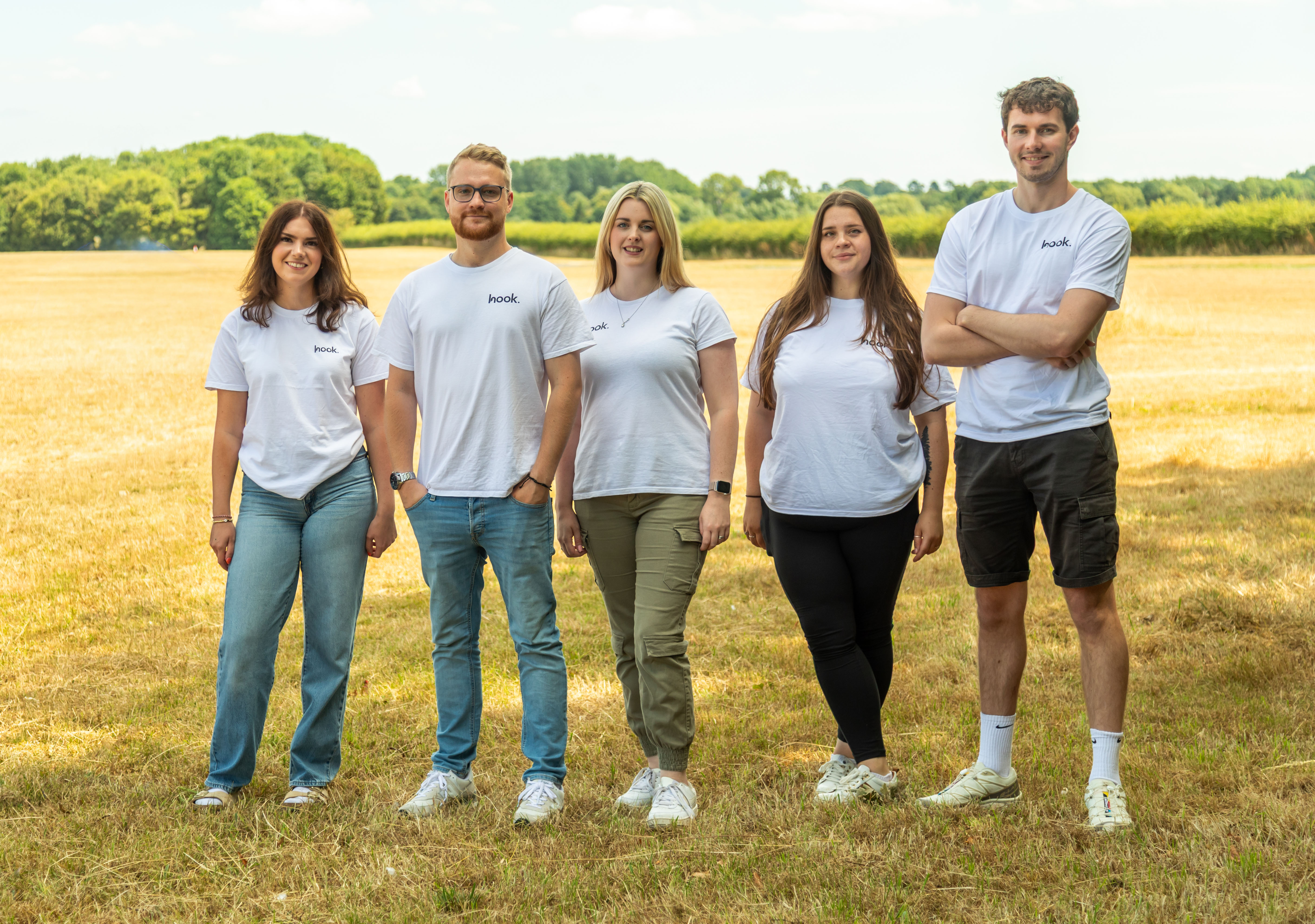
Hook-digital is a full-service marketing agency based in Oxford. Whether you need conversion-led website design that turns traffic into leads, or branding and design that makes your business look credible across every channel, you only need to talk to one team. No coordinating between multiple agencies. No briefing the same project three times. If you want to build a channel mix that fits your business and your budget, get in touch with Hook-digital and we will help you work out where to start.
FAQ
What are the main types of digital marketing channels?
The main types are SEO, PPC advertising, social media marketing, email marketing, content marketing, video marketing, influencer marketing, affiliate marketing, display advertising, and mobile marketing. Most businesses focus on a core set of three to seven channels.
How many digital marketing channels should a business use?
Businesses using 5–7 channels see 3.2x higher engagement than those using just one or two. Start with two or three well-chosen channels and expand once you have mastered them.
What is the difference between paid, owned, and earned media?
Paid media includes ads you pay for, such as PPC and sponsored social posts. Owned media is what you control directly, such as your website and email list. Earned media is coverage you receive organically, such as press mentions and social shares.
Which digital marketing channel has the best ROI?
Email marketing consistently delivers among the highest returns of any channel because it reaches a warm audience at low cost. SEO also delivers strong long-term ROI, though results take longer to build than paid channels.
What is the SES framework in digital marketing?
The SES framework groups digital marketing activity into Search, Email, and Social. It simplifies strategy planning by uniting many tactics under three core channels, making it easier for businesses to stay focused and avoid spreading effort too thinly.
Recommended
- What is digital marketing? a guide for business owners | Hook Digital - Oxford’s Premier Full-Service Marketing Agency
- Marketing tools for small business owners: 2026 guide | Hook Digital - Oxford’s Premier Full-Service Marketing Agency
- What is Full Service Digital Marketing? | Hook Digital - Oxford’s Premier Full-Service Marketing Agency
- From Reach to Retention: Why 2026 Marketing Is About Being Shared, Saved & Sent in DMs | Hook Digital - Oxford’s Premier Full-Service Marketing Agency
.png)


